
What Is Chronic Kidney Disease?
Chronic Kidney Disease (CKD) is a slow, progressive loss of kidney function. The kidneys filter waste, balance fluids and electrolytes, regulate blood pressure, and help produce red blood cells. CKD is common in older pets, especially cats, but dogs can develop it too.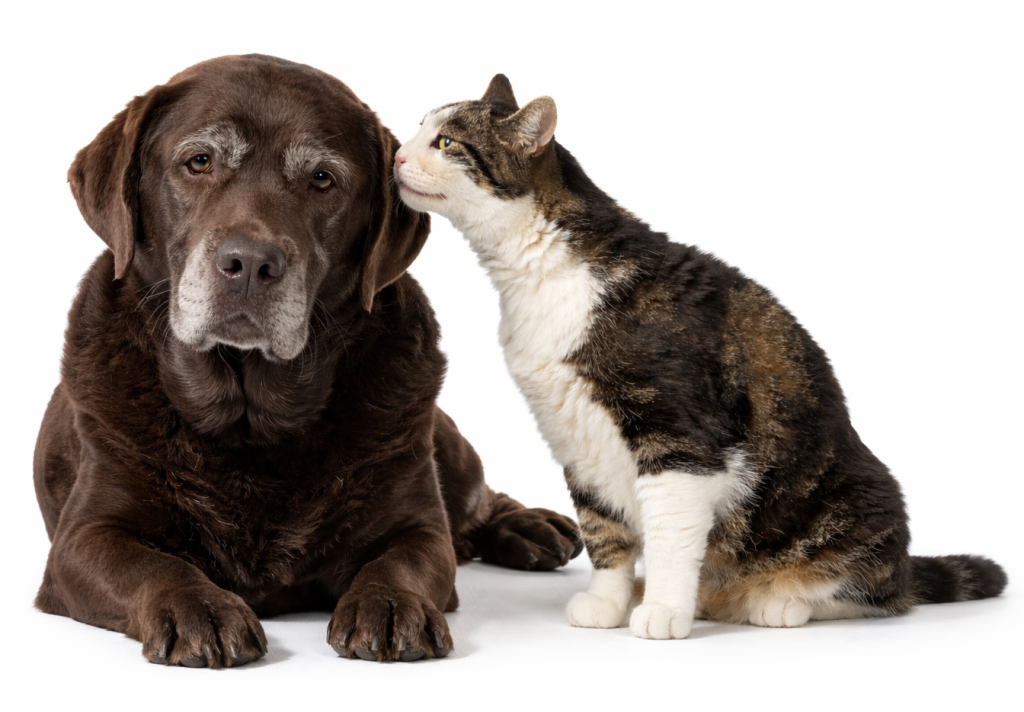
Common causes in dogs:
- Aging
- Genetic predisposition
- Chronic infections
- Toxin exposure (e.g., grapes, certain medications)
- Dental disease
- Immune-related disease
Signs to watch for:
- Increased thirst and urination
- Weight loss
- Decreased appetite
- Vomiting
- Lethargy
- Bad breath (may smell like ammonia)
- Pale gums (anaemia)
CKD is very common in older cats, and often develops gradually.
Common causes in cats:
- Aging (most common)
- Chronic inflammation of the kidneys
- High blood pressure (This can be a cause or result)
- Dental disease
- Genetic factors (certain breeds)
Signs to watch for:
- Drinking and urinating more
- Weight loss despite eating
- Poor coat quality
- Decreased appetite
- Vomiting
- Hiding or reduced activity
How Is CKD Diagnosed?
Your veterinarian may perform:
- Blood tests (to check kidney values like creatinine, Urea and SDMA)
- Urine tests
- Blood pressure measurement
- Imaging (ultrasound or X-rays)
CKD is often staged from Stage 1 (mild) to Stage 4 (advanced) based on lab results. Staging may require ongoing monitoring.
Management
CKD cannot be cured, but it can often be managed successfully for months to years.
Management may include:
- Prescription kidney diet (low phosphorus, controlled protein)
- Increased water intake (wet food, water fountains)
- Medications for: Blood pressure, Nausea, Phosphorus control and anaemia in certain cases
- Regular monitoring bloodwork
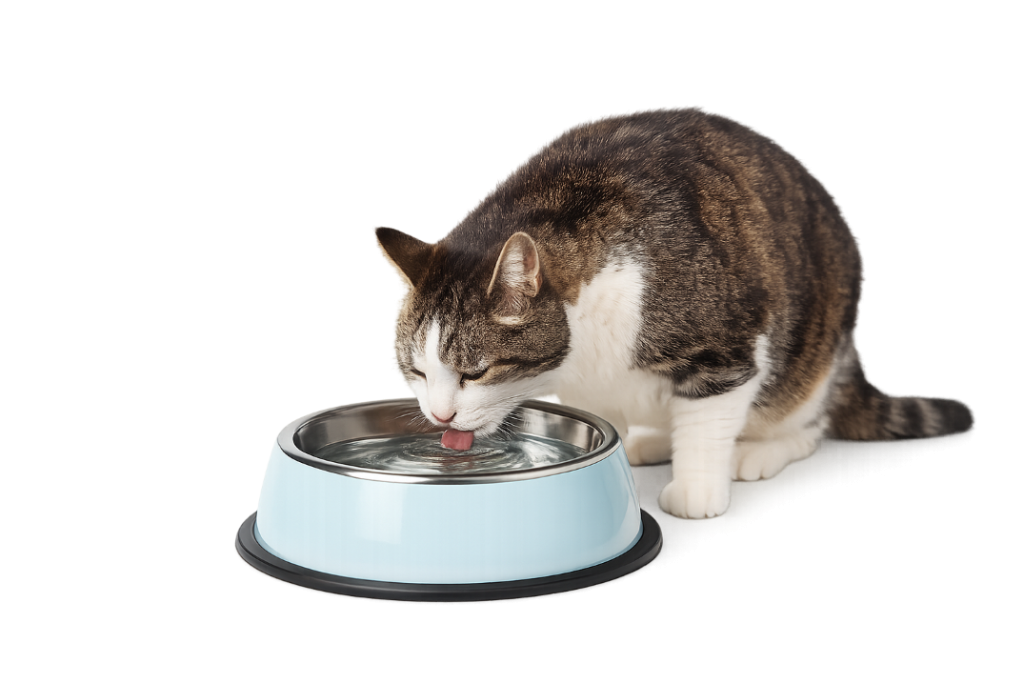 Home management of CKD
✔ Provide fresh water at all times
✔ Feed only recommended prescription diets
✔ Give medications exactly as prescribed
✔ Monitor appetite, weight, and bathroom habits
✔ Keep regular vet rechecks
✔ Watch for changes in behaviour
Early intervention makes a big difference.
What Is the prognosis?
CKD progression varies:
- Some pets live years with good quality of life
- Others progress more quickly
- Quality of life is the most important focus
- With proper care, many pets remain comfortable and happy.
When to call the vet as an emergency
- Refusal to eat for more than 24 hours
- Repeated vomiting
- Severe lethargy
- Difficulty breathing
- Sudden blindness (can be linked to high blood pressure in cats)